What is IPTV? Internet Protocol Television Explained Simply
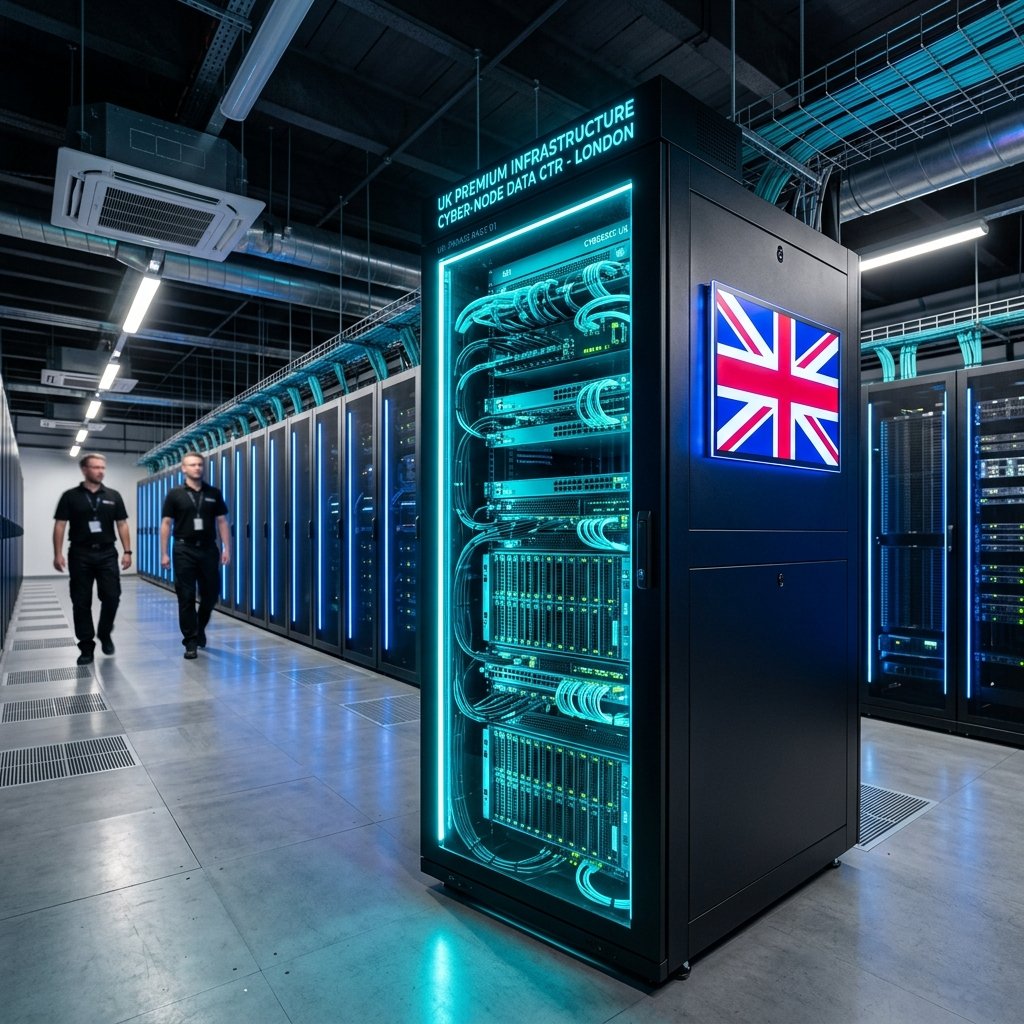
If you have recently spent time discussing home entertainment or browsing forums dedicated to cord-cutting, you have undoubtedly encountered a specific four-letter acronym. But precisely what is iptv? The term stands for ‘Internet Protocol Television’. While it sounds highly technical and somewhat intimidating, the underlying concept is actually remarkably straightforward. In the simplest possible terms, it is the process of delivering television programming and video content via your standard internet connection, rather than through traditional terrestrial, satellite, or cable television formats.
This technological shift represents the most significant revolution in broadcasting since the invention of colour television. Millions of households across the United Kingdom are currently abandoning expensive, restrictive satellite contracts in favour of digital streaming solutions. In this comprehensive guide, we will dismantle the jargon, explain the mechanics of how the technology operates, and demonstrate why it is rapidly becoming the dominant force in global entertainment. If you prefer to learn by doing, you can jump straight in and request an iptv free trial to experience the technology firsthand.
Key Takeaways
- Internet Protocol Television delivers media over your broadband connection rather than via a satellite dish or aerial.
- It operates on a two-way interactive network, allowing for massive Video-on-Demand (VOD) libraries alongside live broadcasts.
- The technology relies on M3U playlists and Xtream Codes to organise thousands of streams into a navigable TV guide.
- It completely removes the need for proprietary, expensive hardware set-top boxes.
Traditional Broadcasting vs Digital Streaming
To fully grasp what is iptv, it is helpful to contrast it with the traditional broadcasting methods you grew up with. Terrestrial television (using a rooftop aerial) and satellite television (using a dish mounted on the side of your house) are ‘push’ technologies. Broadcasters transmit a massive spectrum of radio frequency signals simultaneously into the ether. Your television antenna or satellite dish captures all of these signals at once. When you press a button on your remote control to change the channel, your television simply tunes its internal receiver to decode a different frequency from the massive block of signals it is constantly receiving.
This method is highly inefficient. It means the broadcaster must constantly transmit every single channel, 24/7, regardless of whether anyone is actually watching them. Internet Protocol Television operates on an entirely different paradigm. It is a ‘pull’ technology. When you open a streaming application and select a specific channel, your device sends a direct, microscopic request over the internet to a remote server. That server then begins transmitting only that specific video stream directly to your unique IP address. If you change the channel, your device drops the current connection and requests a new one.
The Advantages of the ‘Pull’ Paradigm
Because the digital streaming model only transmits data when it is explicitly requested, it allows providers to maintain directories of an unfathomable scale. A traditional satellite provider is physically limited by the bandwidth spectrum available in space. They cannot simply add another 10,000 channels without launching another billion-pound satellite.
Conversely, a digital server architecture can house infinite content. This is why our premium uk iptv channels directory can easily feature over 50,000 live broadcasts from across the entire globe, completely dwarfing the offerings of any traditional telecom company. Furthermore, this two-way communication allows for immense Video-on-Demand (VOD) libraries. You can request a specific film from the server archives at any time, pausing, rewinding, and fast-forwarding it instantly—a feat completely impossible on a standard, linear satellite feed without recording it to a local hard drive first.
The Three Main Formats of IPTV
When asking what is iptv, it is important to recognise that the technology manifests in three distinct formats, many of which you likely already use without realising it:
- Video on Demand (VOD): This is the format popularised by giants like Netflix and Amazon Prime. You browse a catalogue of pre-recorded media, select an item, and it streams to your device. There is no ‘live’ broadcasting element.
- Time-Shifted Media: Often referred to as ‘Catch-Up’ TV. Services like BBC iPlayer or ITVX allow you to watch broadcasts that aired recently at your convenience.
- Live Streaming: This is the core offering of providers like ourselves. It involves broadcasting live events—such as a Premier League football match or breaking news—in real-time as they occur across the globe.
How the Magic Happens: M3U Playlists and Xtream Codes
From an end-user perspective, the technology is incredibly user-friendly, but the underlying mechanics rely on specific protocols. When you purchase a subscription via our affordable pricing plans, you are not shipped a physical set-top box. Instead, you are provided with digital credentials. Traditionally, this was an ‘M3U Playlist’. An M3U is simply a massive text file containing thousands of individual web URLs, with each URL pointing directly to a specific video stream on a server.
In modern 2026 applications, this has largely been superseded by ‘Xtream Codes API’. Rather than dealing with a cumbersome web link, you simply enter a Portal URL, a Username, and a Password into your chosen media player. The software then automatically authenticates with the server, downloads the channel list, and crucially, fetches the Electronic Programme Guide (EPG). The EPG is the visual TV guide that shows you what programme is currently airing and what is scheduled next. If you want to know how to install this software on your device, review our comprehensive Smarters setup guide.
Hardware Requirements: Embracing Freedom
One of the most appealing aspects of transitioning to Internet Protocol Television is the liberation from proprietary hardware. If you sign a contract with a traditional telecom giant, they force you to lease their bulky, heavily restricted set-top boxes, often charging you monthly fees just to have the hardware in your living room.
Because digital streaming is fundamentally software-based, it can run on almost any modern smart device. You can stream a 4K football match natively on your LG television, switch to an Amazon Firestick in the bedroom, and continue watching on your iPad during your morning commute. The technology is entirely agnostic. For a full breakdown of what hardware performs best, please consult our dedicated supported devices documentation.
The Importance of Network Stability
While the technology is brilliant, it does possess one hard dependency: your internet connection. Because you are constantly downloading a massive stream of video data, a slow or unstable internet connection will result in the stream buffering. To run a stable 4K broadcast, a minimum continuous download speed of 25Mbps is generally required.
Furthermore, because UK Internet Service Providers occasionally attempt to restrict heavy streaming traffic, many users choose to pair their subscription with a Virtual Private Network to guarantee unhindered speeds. If you are experiencing technical difficulties with your current setup, you should read our article detailing how to resolve buffering issues instantly. For independent technical specifications regarding internet speeds in the UK, the regulatory body Ofcom provides extensive resources.
Conclusion: The Future of Broadcasting
Understanding what is iptv is the first step towards taking control of your home entertainment. It represents a paradigm shift away from bloated, expensive, linear broadcasting towards a dynamic, limitless, on-demand digital architecture. By severing ties with satellite dishes and aerials, you gain access to a global directory of content previously unimaginable.
At IPTV Trial Shop, we operate at the bleeding edge of this technology, utilising advanced UK-based load balancers to deliver flawlessly stable 4K streams directly to your living room. The future of television is not beamed down from space; it is delivered via the internet. Contact our 24/7 support team today via WhatsApp to secure your credentials and join the digital revolution.